Selecting the Right Concrete Progressing Option: Comparing Mudjacking and Polyjacking for Your Requirements
Picking the proper concrete progressing solution calls for careful consideration of different elements. Mudjacking and polyjacking each deal distinctive benefits and downsides. Recognizing the processes, prices, and viability for certain scenarios is vital. Additionally, long-term toughness and maintenance effects play a significant duty in the decision-making procedure. With these elements in mind, one should evaluate their alternatives attentively to figure out which method lines up finest with their concrete repair service needs.
Recognizing Mudjacking: Refine and Benefits
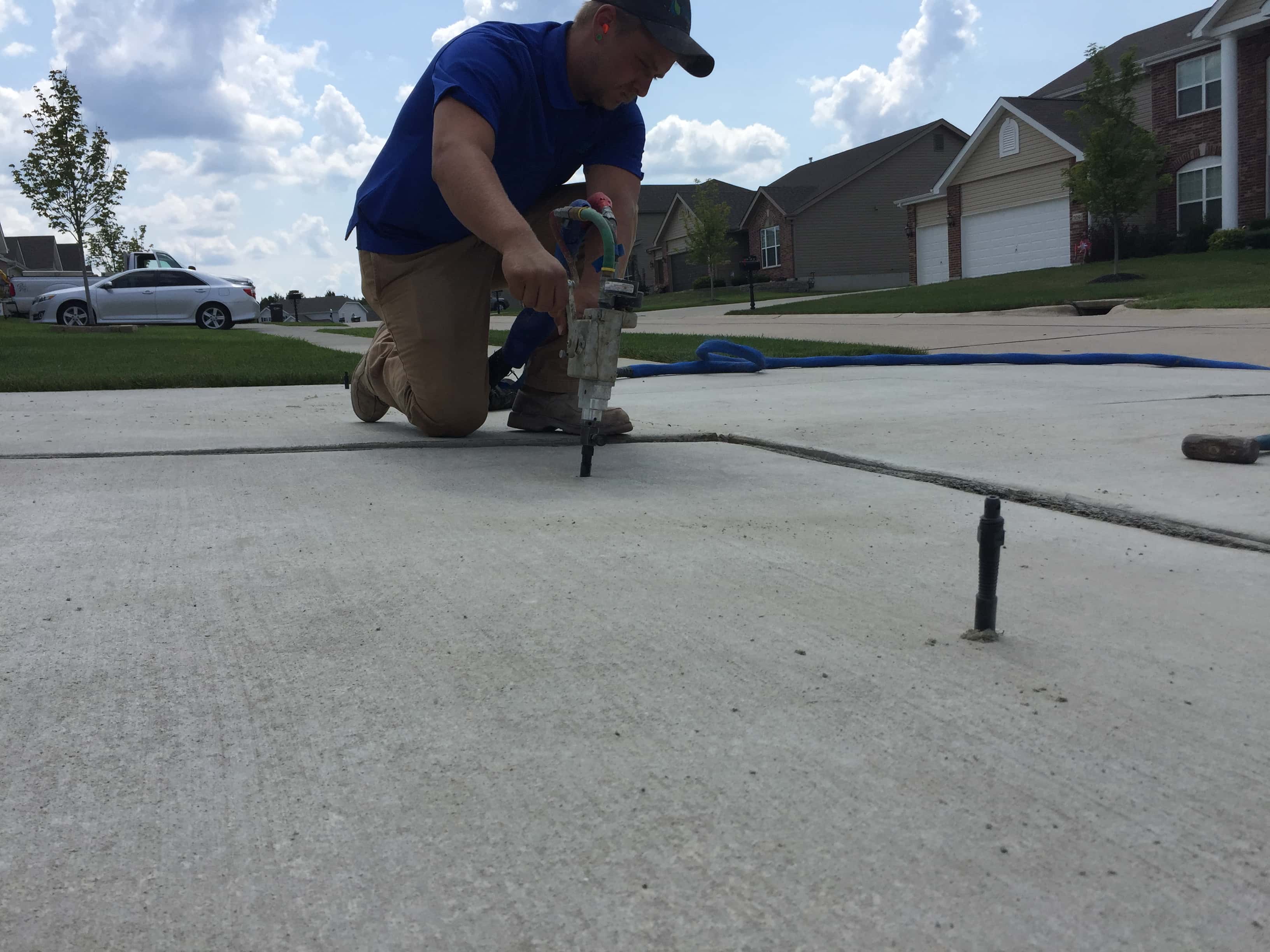
Different concrete progressing approaches exist, mudjacking stays a prominent selection due to its efficiency and cost-efficiency. This approach involves injecting a blend of water, soil, and cement underneath sunken concrete pieces, elevating them back to their original height. The procedure begins with drilling little openings right into the impacted concrete, followed by the careful insertion of the mudjacking slurry, which fills up gaps and supports the structure.
Among the main benefits of mudjacking is its price compared to various other leveling remedies, making it obtainable for numerous home owners. In addition, the technique generally needs very little disturbance, enabling quick repair work without comprehensive excavation. The toughness of the mudjacking product also contributes to durable outcomes, making sure that the leveled surface areas stay steady over time. Overall, mudjacking supplies a dependable and effective solution for addressing uneven concrete surface areas.

Checking out Polyjacking: How It Works and Its Advantages
While mudjacking has its advantages, polyjacking, likewise referred to as polyurethane foam shot, supplies a contemporary choice for concrete progressing that flaunts a number of benefits - mudjacking alternative Des Moines. This cutting-edge method uses high-density polyurethane foam, which is injected underneath the concrete surface to elevate and support it. The foam broadens rapidly upon injection, loading spaces and providing immediate support, which reduces downtime for building proprietors
Among the substantial benefits of polyjacking is its lightweight material, which reduces the danger of additional settling compared to typical mudjacking materials. In addition, polyjacking is extremely immune to water, making it appropriate for areas prone to dampness. The fast curing time of the foam permits for faster task conclusion, making it possible for property owners to return to regular activities nearly instantly. Generally, polyjacking offers a reliable, long lasting, and ecologically pleasant solution for addressing concrete resolving concerns.
Contrasting Prices: Polyjacking vs. mudjacking
When examining concrete leveling solutions, cost is a significant factor that homeowner should consider. Mudjacking commonly uses an extra economical choice, commonly ranging in between $300 to $1,500 relying on the job dimension and intricacy. This conventional method makes use of a cement-based slurry, which is usually cheaper than the products used in polyjacking.
On the other hand, polyjacking tends to be pricier, with prices varying from $1,000 to $2,500 or more (mudjacking vs polyjacking). This technique uses polyurethane foam, which is more advanced and requires specialized equipment for application
While mudjacking may provide a reduced first financial investment, it is crucial for homeowner to evaluate long-term effectiveness versus ahead of time expenses. Polyjacking, though extra costly, can use longevity and potentially fewer upkeep demands. Eventually, selecting between mudjacking and polyjacking ought to include an extensive evaluation of both future and immediate financial effects.
Viability for Different Scenarios: When to Use Each Technique
Establishing the ideal concrete progressing method depends greatly on the particular situations of the job. Mudjacking is commonly matched for bigger locations and heavier slabs, such as driveways and industrial pavements, where its thickness and stamina can efficiently raise and stabilize the concrete. This technique can also be much more affordable when handling extensive surface area areas.
On the other hand, polyjacking is ideal for household settings, especially for smaller tasks and areas with complex landscaping, because of its quick-setting and lightweight buildings. It is much less intrusive and can be completed with marginal disruption, making it a favored option for house owners. In addition, polyjacking's resistance to dampness makes it appropriate in areas with high water tables. Eventually, selecting in between mudjacking and polyjacking needs cautious consideration of job dimension, environmental factors, and the preferred result for the concrete surface.
Long-Term Considerations: Resilience and Maintenance of Concrete Progressing Solutions
As property owners and home managers take into consideration concrete leveling remedies, long-lasting durability and maintenance come to be important elements in their decision-making process. Mudjacking, which involves the injection of a cement-based slurry, usually uses a lifespan of 5 to 10 years before prospective settling takes place. Its upkeep requirements include keeping track of for fractures and making sure proper water drainage to extend its efficiency.
In comparison, polyjacking utilizes high-density polyurethane foam, which is immune to moisture and does not wear away as rapidly as traditional materials. This method can offer a much more resilient service, with life-spans typically exceeding one decade with very little maintenance. Polyjacking's light-weight nature additionally reduces anxiety on underlying soil, better enhancing security.
Ultimately, the choice between mudjacking and polyjacking rest on a home's details needs, local environmental problems, and the wanted durability of the fixing. Recognizing these elements can lead home owners towards a much more sustainable concrete progressing service.
Regularly Asked Concerns
For how long Does Each Leveling Process Normally Take?
Mudjacking typically takes a few hours to complete, while polyjacking can typically be finished in much less time as a result of quicker curing times. Both processes depend on the job dimension and certain conditions present.
What Are the Environmental Influences of Mudjacking and Polyjacking?
Mudjacking generally uses cement-based materials, which can have a higher carbon footprint. In comparison, polyjacking employs polyurethane foam, often taken into consideration much more environmentally pleasant due to minimized waste and reduced emissions throughout production and application.
Can I Execute These Approaches Myself or Hire a Professional?
Individuals can try DIY mudjacking or polyjacking, however working with an expert is usually recommended (polyfoam concrete presentation leveling). Experts have the needed experience and tools, ensuring an extra reliable and secure method to concrete progressing tasks
Are There Any Kind Of Service warranties or Guarantees With These Services?
Several firms use warranties or guarantees for their concrete progressing services. These guarantees commonly cover craftsmanship and products, ensuring customer fulfillment. Possible clients should ask concerning details terms before proceeding with any type of solution.
Exactly How Do Climate Condition Influence Each Method's Performance?
Climate problems considerably affect both methods. Mudjacking may be less reliable in cold, damp settings as moisture can deteriorate the mix. On the other hand, polyjacking is more functional, usually doing well in different weather problems, consisting of colder temperature levels.